Practical Moisture Control Solutions for a Healthier Home
Why Moisture Management Matters More Than You Think
I have spent years walking through homes that look fine on the surface but hide a slow, silent problem behind walls and under floors. Excess moisture does not just feel clammy or cause a musty smell. It feeds mold, rots wood, attracts pests, and can even affect your breathing. The good news is that most moisture issues are fixable once you understand where the water is coming from and how it moves through your house.
Many homeowners only think about moisture after they see visible mold or a wet patch on the ceiling. By then, the underlying cause has often been at work for months. A smarter approach is to look for signs early and use practical moisture control solutions before the damage gets expensive. I have seen the difference this makes in houses of all ages and styles.
Start With the Basics: Where Does the Water Come From?
Moisture enters a home in three main ways: liquid water from rain or plumbing leaks, humid air from outside, and water vapor moving through concrete or soil. Each source needs a different response. A leaky pipe is a different problem than damp air rising from a crawl space. If you treat all moisture the same way, you will waste time and money.
One of the first things I do when looking at a home is check the foundation drainage and grading around the house. If the ground slopes toward the foundation, rainwater runs right against the walls. Over time, that water seeps through concrete or finds cracks. Simple regrading so the soil slopes away from the house can redirect a huge amount of water. Combined with a good set of gutters and downspouts that extend at least a few feet from the foundation, this is one of the cheapest and most effective moisture control solutions you can apply.
Basement and Crawl Space: The Most Vulnerable Areas
Basements and crawl spaces are where I find the worst moisture problems. They are below ground, surrounded by damp soil, and often poorly ventilated. In older homes, the floor might be bare dirt or cracked concrete that lets water vapor rise constantly. A vapor barrier is a simple fix: heavy plastic sheeting laid over the dirt or concrete floor, sealed at seams and against walls. It stops that invisible vapor from entering the living space above.
For basements that get actual standing water after heavy rain, a sump pump is the right tool. It collects water in a pit and pumps it outside, away from the foundation. But a sump pump alone is not enough if the walls are leaking. Basement waterproofing from the outside is the gold standard, but it is expensive and requires excavation. A more practical option for many homes is interior sealants and drainage channels that direct water to the sump. I have seen these systems work well in Fort Worth homes with clay soils that swell and crack during dry spells.
Crawl space ventilation is another area where I see neglect. A crawl space that is sealed tight traps humidity and creates a perfect environment for mold and rot. Foundation vents, combined with a crawl space fan or a small exhaust system, keep air moving and reduce moisture buildup. For homes with persistent crawl space dampness, a positive pressure system can push dry air from the house down into the crawl space, keeping it dry even during humid seasons.
Managing Indoor Humidity
Even if your foundation and exterior are dry, indoor activities like cooking, showering, and drying clothes add moisture to the air. In a tight, modern home, that humidity can build up fast. A humidity monitor is a simple tool that tells you when the air is getting too damp. I keep one in the basement and one in the main living area. When the relative humidity stays above 60 percent for more than a day, it is time to act.
Dehumidifiers are the go-to solution for high indoor humidity. They pull water from the air and drain it away, either into a bucket or through a hose to a floor drain. For whole-house coverage, a central dehumidifier tied into your HVAC system works better than multiple portable units. But dehumidifiers are only part of the picture. If you are running a dehumidifier constantly, it means there is a source of moisture that you are not addressing. Find the source and you will use less energy.
A more advanced option is an ERV system, or energy recovery ventilator. These systems exchange stale indoor air with fresh outdoor air while transferring heat and moisture between the two streams. They keep humidity levels balanced without wasting conditioned air. I have installed ERV systems in several homes with chronic humidity problems, and they make a noticeable difference in comfort and air quality.
Mold Remediation and Prevention
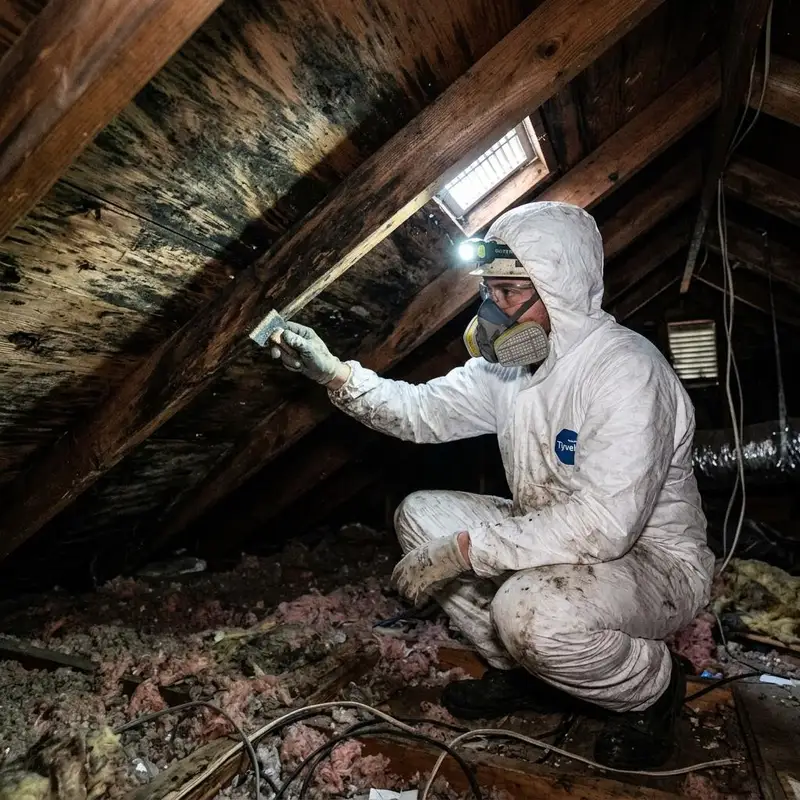
Once mold takes hold, you need more than just drying the surface. Mold remediation involves removing contaminated materials, cleaning the area with antimicrobial treatments, and fixing the moisture source so it does not return. In many cases, I recommend replacing porous materials like drywall or carpet with mold-resistant drywall and other moisture-tolerant finishes. This is especially important in bathrooms, basements, and laundry rooms where water is common.
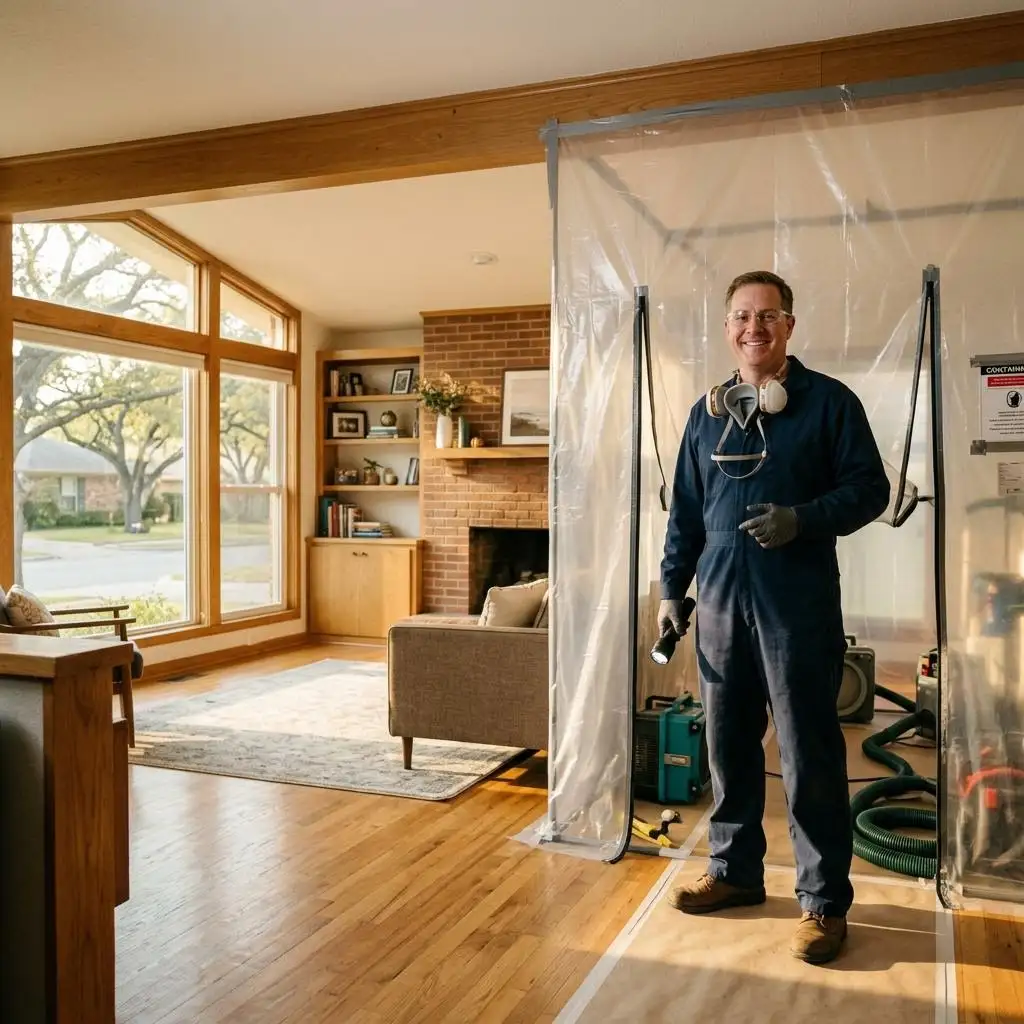
During remediation, proper containment is critical. Disturbing mold without precautions sends spores into the air, where they can spread to other rooms. HEPA vacuums are essential for cleaning up after mold removal. They trap tiny particles that regular vacuum filters would just blow back out. I also use plastic sheeting to seal off the work area and negative air pressure machines to keep spores from drifting.
Leak Detection and Flood Damage Restoration
Small leaks often go unnoticed until they cause major damage. A slow drip from a pipe inside a wall can soak insulation, rot studs, and grow mold without ever showing on the surface. Leak detection systems range from simple moisture sensors that sound an alarm to smart water shutoff valves that close automatically when a leak is detected. I recommend installing sensors under sinks, behind toilets, and near water heaters, especially in homes with slab foundations where leaks are hard to find.
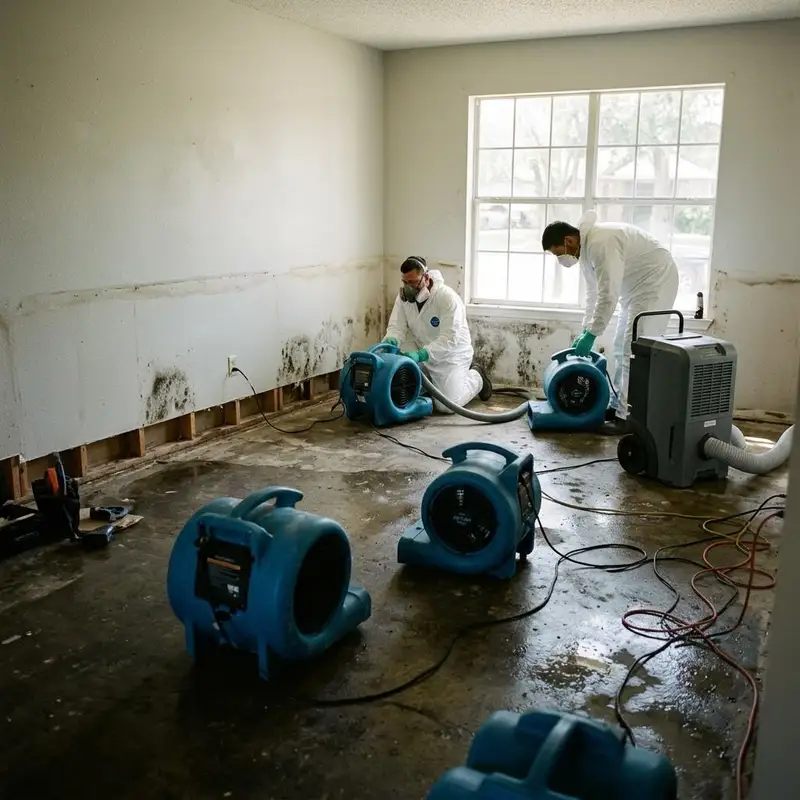
Flood damage restoration is a different beast. After a flood, the priority is to remove standing water and dry everything out as fast as possible. That means using pumps, dehumidifiers, and high-volume fans. But drying alone is not enough. You have to clean and disinfect every surface because floodwater carries bacteria and chemicals. In severe cases, you may need to remove drywall and insulation up to the flood line to prevent mold from growing inside the walls. I have worked on flood restoration jobs where the difference between a quick response and a delayed one was the difference between saving the structure and tearing it down to the studs.
Radon and Soil Gases: A Hidden Concern
Moisture control solutions also tie into radon mitigation. Radon is a radioactive gas that comes from the soil and can enter a home through cracks in the foundation. It is more common in some parts of Texas than people realize. The same techniques that keep moisture out, like sealing cracks and installing a vapor barrier, also help reduce radon entry. A radon mitigation system often uses a fan and pipe to draw soil gas from under the slab and vent it above the roofline, keeping the living space safe. If you are already dealing with moisture problems, it is worth testing for radon at the same time.
Thermal Imaging: Finding Problems You Cannot See
One of the most useful tools I have for diagnosing moisture issues is a thermal imaging camera. It shows temperature differences that can indicate hidden leaks, missing insulation, or areas where moisture is accumulating. I scan walls, ceilings, and floors during an inspection and often find cold spots that point to a leak or a gap in the vapor barrier. Thermal imaging is not a magic wand, but it gives you a clear starting point for further investigation. Combined with a moisture meter, it tells you exactly where to look.
Encapsulation: A Last Resort for Tough Cases
In some situations, you cannot fully remove the source of moisture. For example, a basement that sits below the water table may always have some dampness. In those cases, encapsulation can help. This means sealing the space with heavy-duty vapor barriers and sealants, creating a contained environment that keeps moisture away from the rest of the house. It is not a cure, but it is a practical workaround for homes where structural changes are not feasible.
Putting It All Together
Managing moisture in a home is not about a single product or one big fix. It is about understanding the specific conditions of your property and applying the right combination of techniques. Start with the basics: improve grading and drainage, install a vapor barrier in the crawl space or basement, and use humidity monitors to track indoor conditions. From there, add dehumidifiers, ventilation, and leak detection as needed. If mold appears, address it quickly with proper remediation and replace damaged materials with mold-resistant alternatives.
Every home is different, but the principles are the same. Keep water out, let air move, and dry out any wet spots fast. With a thoughtful approach and a few practical moisture control solutions, you can protect your home and your health for years to come.